
Fall is Planting Season
After a long, hot summer, we are finally able to get back outside, enjoy the weather and potentially catch up on the landscaping we neglected during the dog days. But many people may not know that the fall planting window officially opens with the first reliable cold front — not the “false fall” front that finally breaks the summer heat, but the one that signals a lasting temperature and humidity drop.
South Louisiana’s fall season is long, but the heat lingers on and off deep into September. Planting too early means seedlings suffer under high heat and humidity. The first real cold front marks the moment when: soil stays cooler, disease pressure drops and plants can establish before winter.
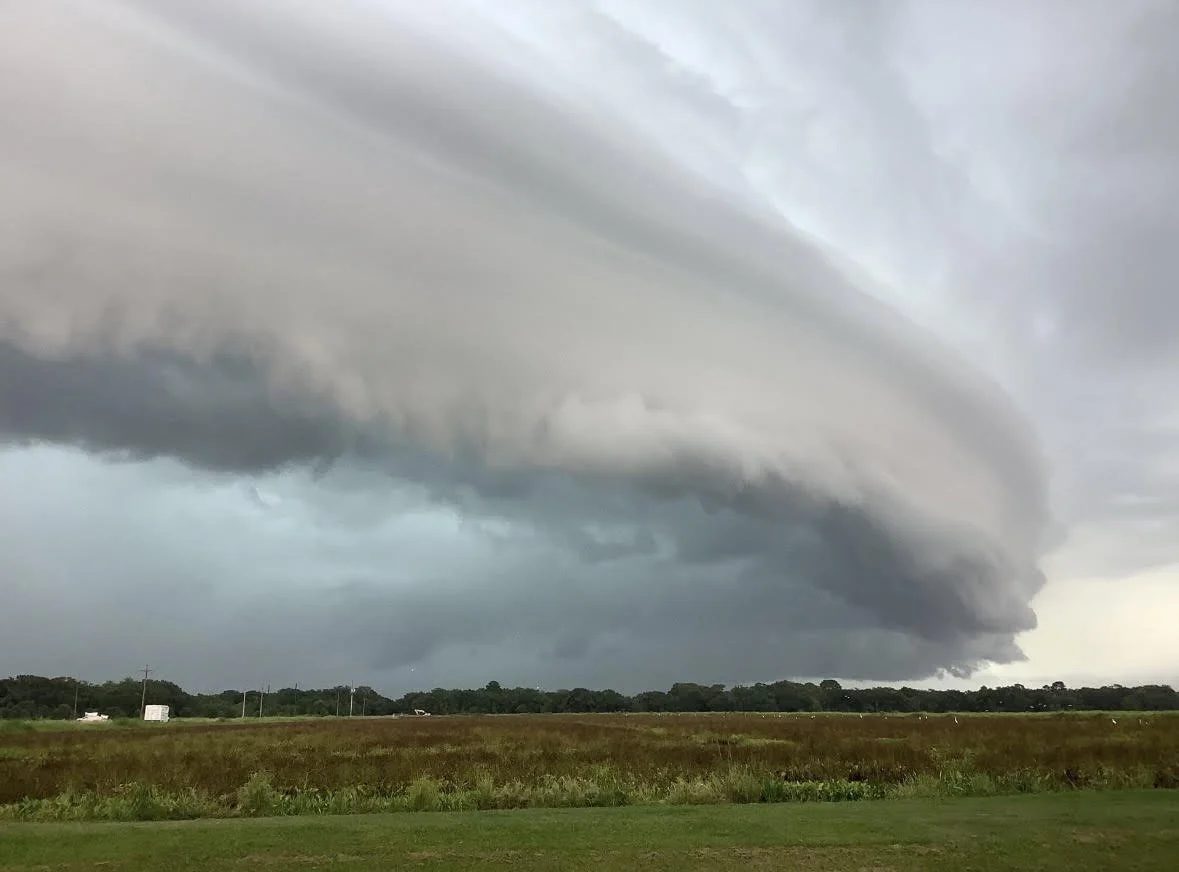
Shelf clouds associated with incoming cold front. Photo courtesy of Rob Perillo
October is the single best planting month for trees (burlapped or in containers with soil), shrubs and perennials in South Louisiana because they will establish six months of root growth before the following summer. The soil is still warm from the previous summer, which helps roots grow quickly. Air temperatures are cooler and days are shorter, so plants experience less stress and need less watering. Strong root growth in the fall leads to healthier plants next spring and so forth.
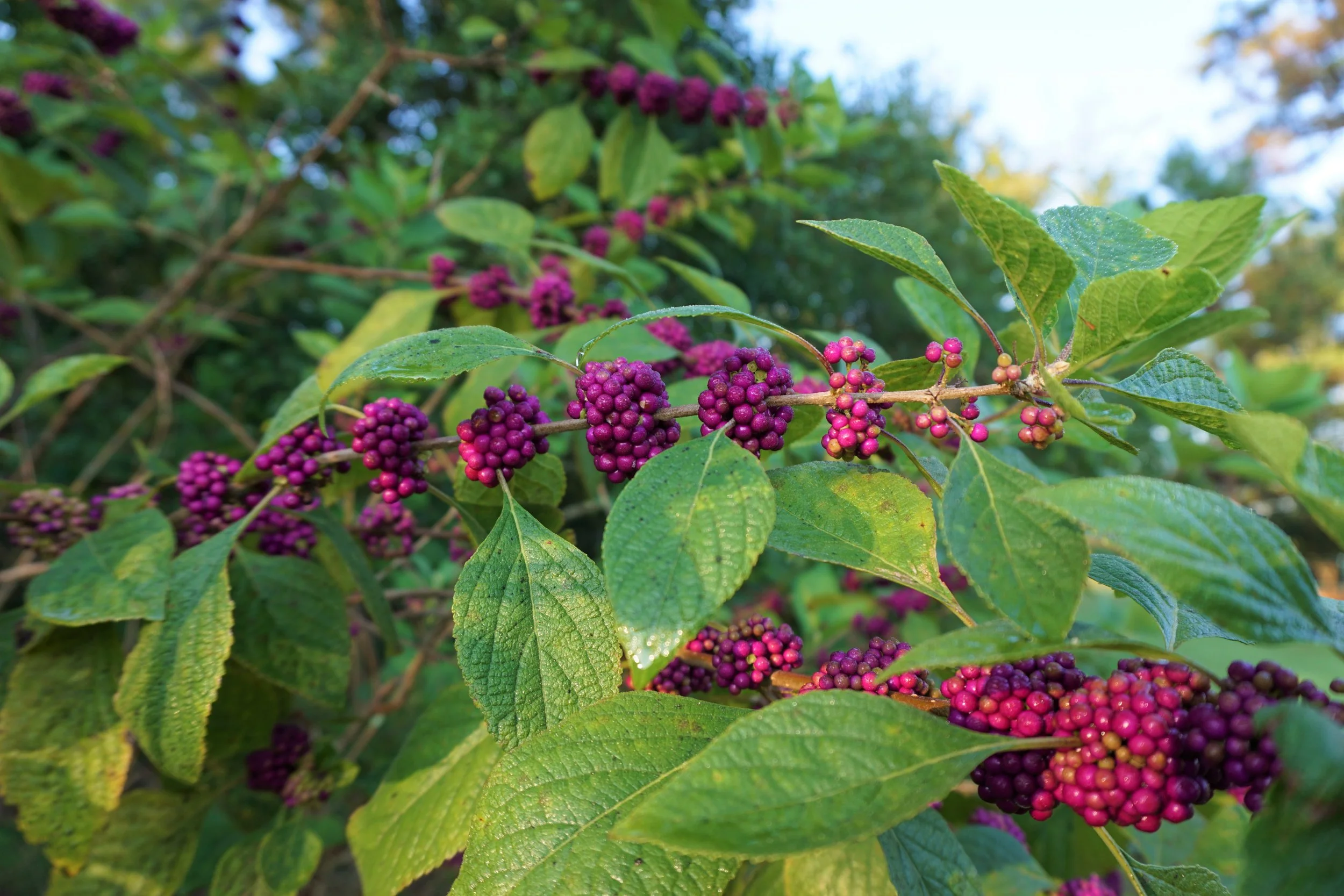
Beautyberry shrub. LSU Ag Center
*The months of January/February are considered the best time to get bare-root (not in containers with soil) fruit and shade trees in the ground because the trees are still dormant (bare-root trees are sold without soil around their roots to keep them in dormancy for future planting), but the soil is usually workable and warm enough for root growth. Cooler temperatures and generally higher winter moisture mean newly planted trees lose less water and require less intensive irrigation than trees planted later in the year. Planting in January or February gives the root system several months to develop before extreme heat arrives.
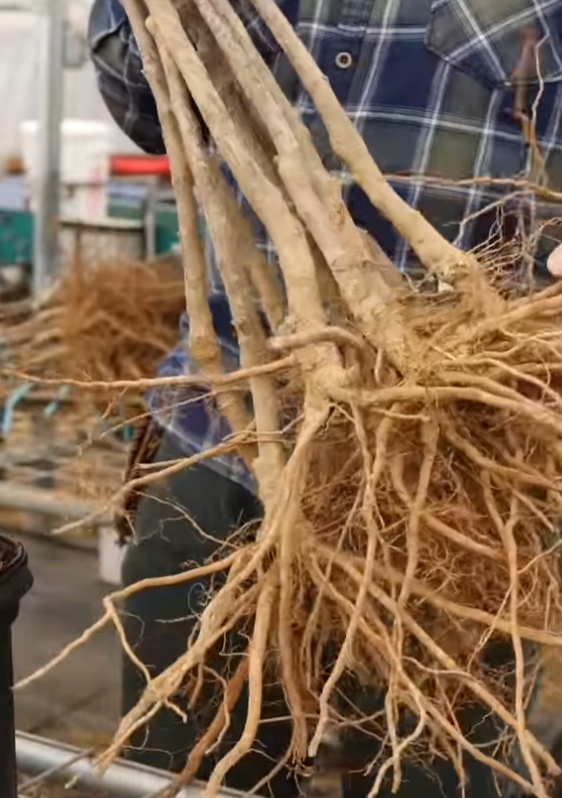
Bare root trees, LSU Ag center
So should we really not plant in spring, when we are seeing the big box stores promote all the fragrant and colorful temptation? Aside from annuals and seasonal vegetables, no.
Our spring season is short and temperatures quickly rise to the summer-time range, which means longer, hotter days, more stress on newly-installed plants, and perhaps most importantly, the need for excessive watering. An exception to this is warm season grasses. By March, soil temperatures in the southern part of Louisiana are typically above 60°F, which is the threshold for good warm‑season grass germination and root growth. Our region’s abundant rainfall and mild winter temperatures reduce the risk of drought stress during establishment, and the absence of hard freezes in the south means tender warm‑season turf can survive the winter.
If you are planning to take advantage of the fall planting window, there are a few important questions you may want to ask your local nursery before choosing your plant palette:
Why is now a good time/not a good time to install this plant?
Is this plant native to Louisiana or the Gulf Coast?
How does it perform during Louisiana summers?
Will it tolerate our humidity and heavy rainfall?
What size will it reach in 3 to 5 years?
How much water does it need after establishment?
How often should I water it during its first fall and winter?
What is its benefit to our local wildlife and/or pollinators?
If you are satisfied with the responses, there is not a better time than now to get started! A nursery employee who can confidently answer these questions is usually a great local gardening resource.
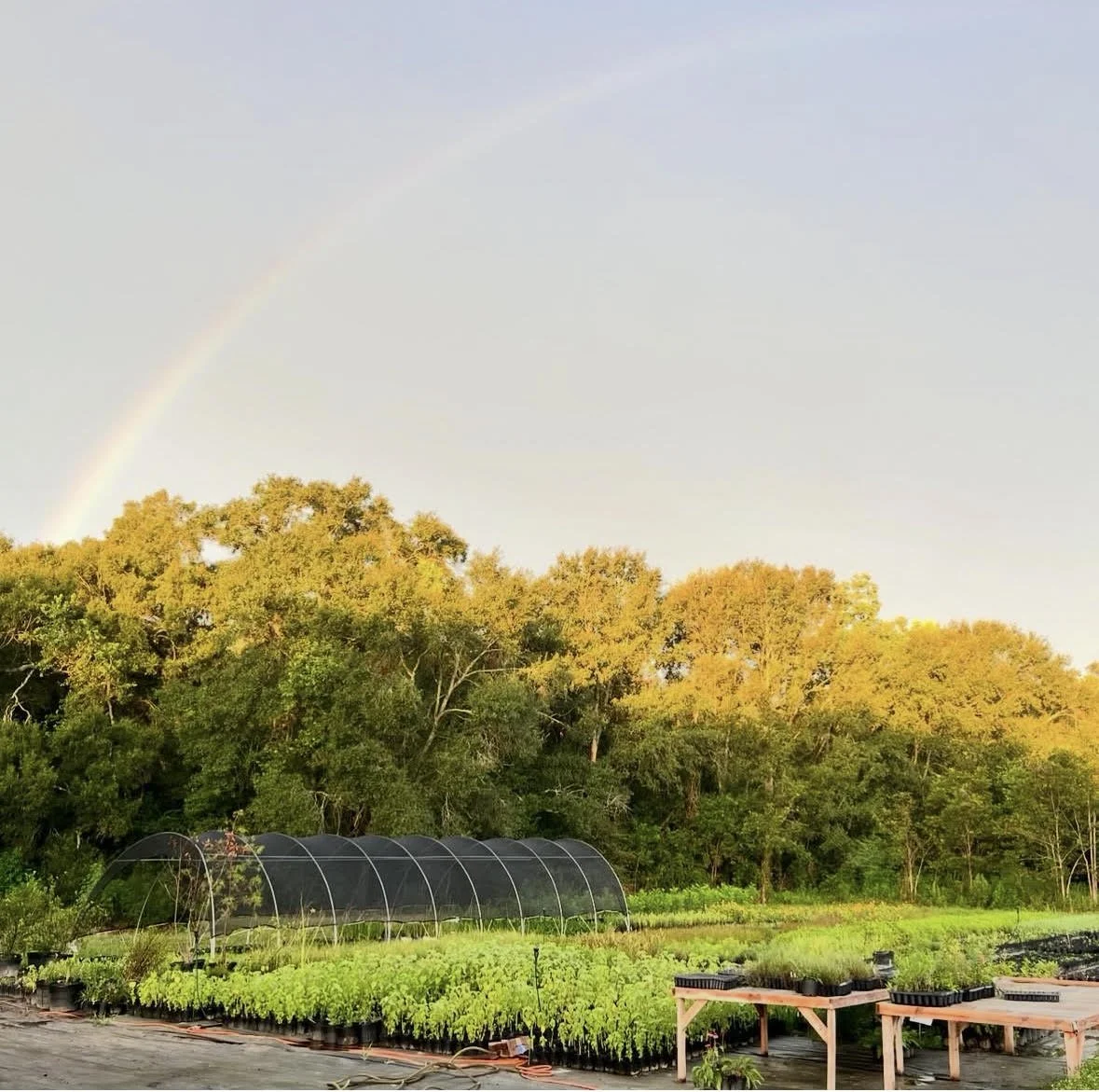
Gulf Coast Flora native plant nursery
Please take the time to check our social media pages for frequent native plant sales, promotions and important planting tips.
Would you like to book our team for a fall design consultation? Select the “Contact” option on our website, fill out the information and tell us your ideas.
AVAILABILITY — Gulf Coast Flora | Wholesale Nursery | Arnaudville, LA
https://cultivatingflora.com/best-warm-season-grasses-for-louisiana-lawns/