
Dwarf Palmetto
Written by Carmin Nezat
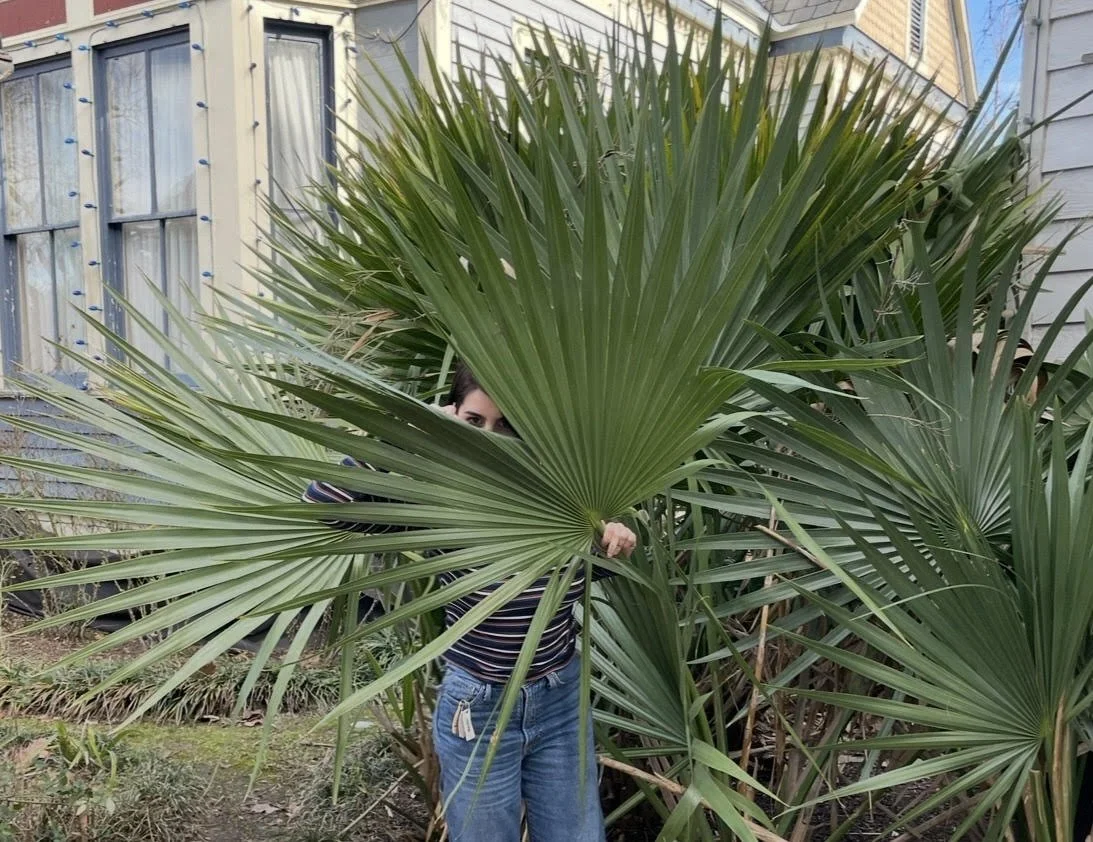
Fig 1. Yours truly at Le Vieux Village in Opelousas, La. Lots of native plants on display there!
Dwarf palmetto! Sabal minor. Other names are bush palmetto, bluestem palmetto, scrub palmetto and swamp palmetto. It was previously called Sabal adonsonii. But in Cajun country, you might hear it called “Latanier.”
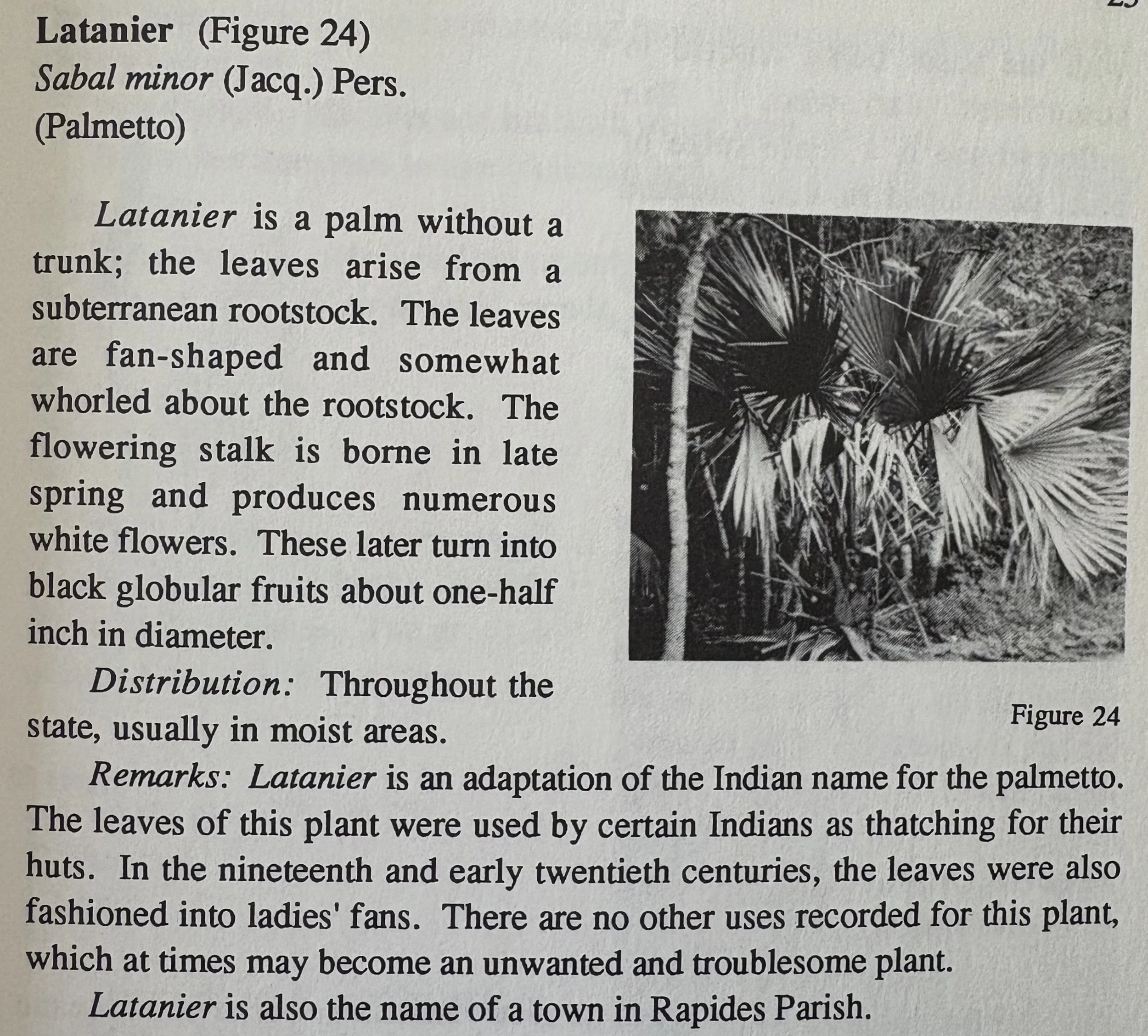
Fig. 2. Holmes, Walter C. An Ethno-Botanical Study of French-Speaking Louisiana. 1990, Lafayette, USL. p25
Sabal minor is one of the most cold-hardy palms in cultivation; however, it does best when grown in continental climates with hot and humid tropical summer conditions. It is an evergreen plant (obviously) and native to the deep southeastern and south-central United States and northeastern Mexico and naturally found in a diversity of habitats, including maritime forests, swamps, floodplains, and occasionally on drier sites. It grows up to 10 feet in height, with a trunk up to 12 inches in diameter. It is a fan palm (Arecaceae tribe Corypheae), and the leaves with a bare petiole terminating in a rounded fan of numerous leaflets.
The flowers are yellowish-white, 0.20 inches across, produced in large compound panicles up to 6 ft 7 inches long, extending out beyond the leaves.The fruit is a black drupe 0.4 to 0.5 in long containing a single seed/ (photo me holding it) While usually being small and shrubby, Sabal minor can become tree-like as it ages. There is also a 'Louisiana' variety -a faster-growing, larger form of Sabal minor, known for its bluish foliage and ability to develop a trunk, distinguishing it from typical stemless types.
The presence of Sabal minor in the wild can be indicative of frequent flooding in the area. Its deep, fibrous root system makes it highly tolerant of flooding and also stabilizes the soil against washing away. These are excellent plants to prevent soil erosion. It’s worth saying though that even though they’re tough, they can be killed by overharvesting of the leaves.
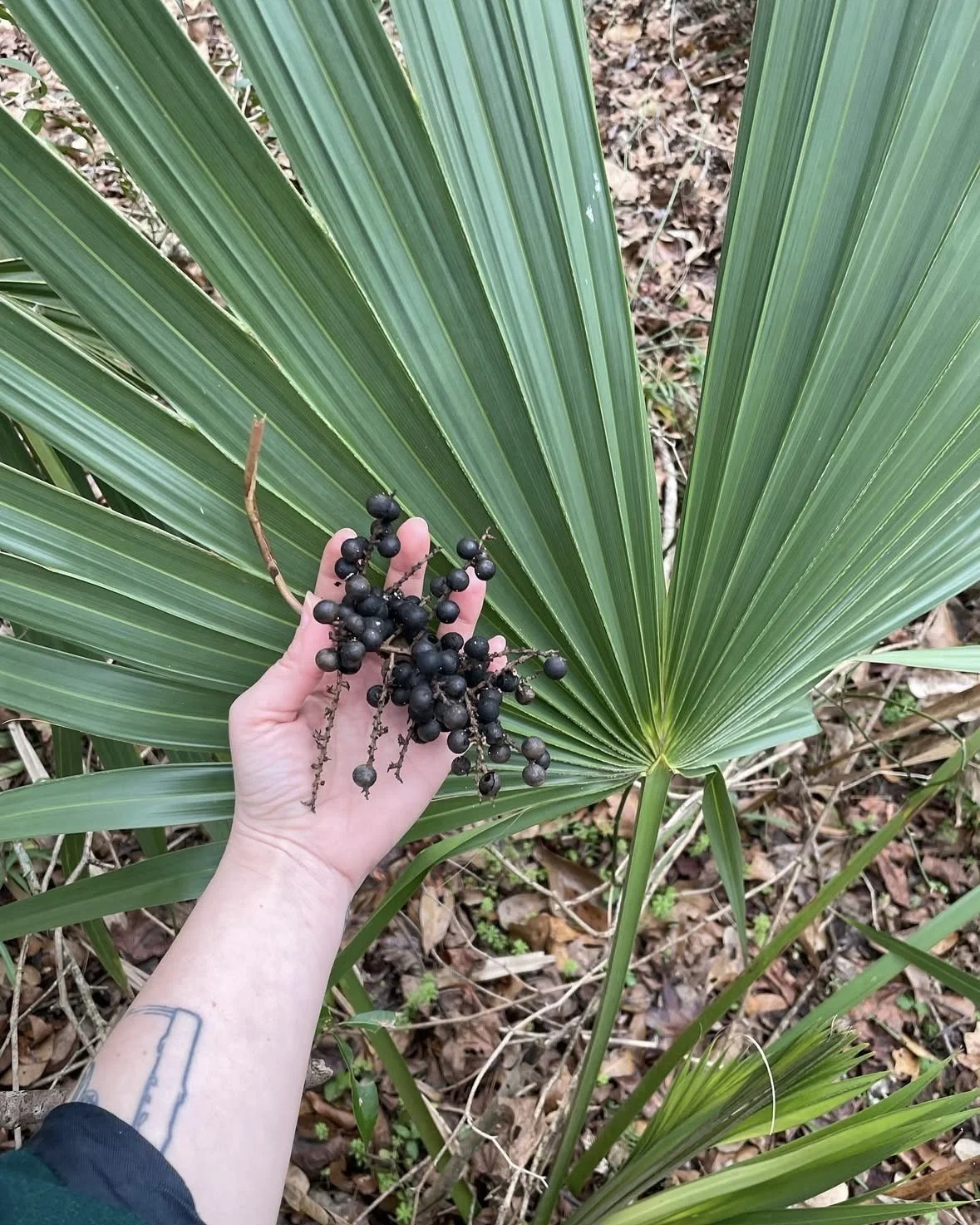
Fig. 3. Sabal minor fruits
The fruits are an important food for black bears, gray squirrels and raccoons, who are important seed dispersers of the plant. Fish crows, mockingbirds, myrtle warblers, robins, and pileated and red-bellied woodpeckers also eat the fruits. This plant is reported to be frequently grazed by cattle, more so than any other palm! It provides nesting for woodrats and other small mammals. Seasonally flooded, hardwood-bottom swamp-forests with dwarf palmetto are an extremely important habitat for southern spotted turtles.
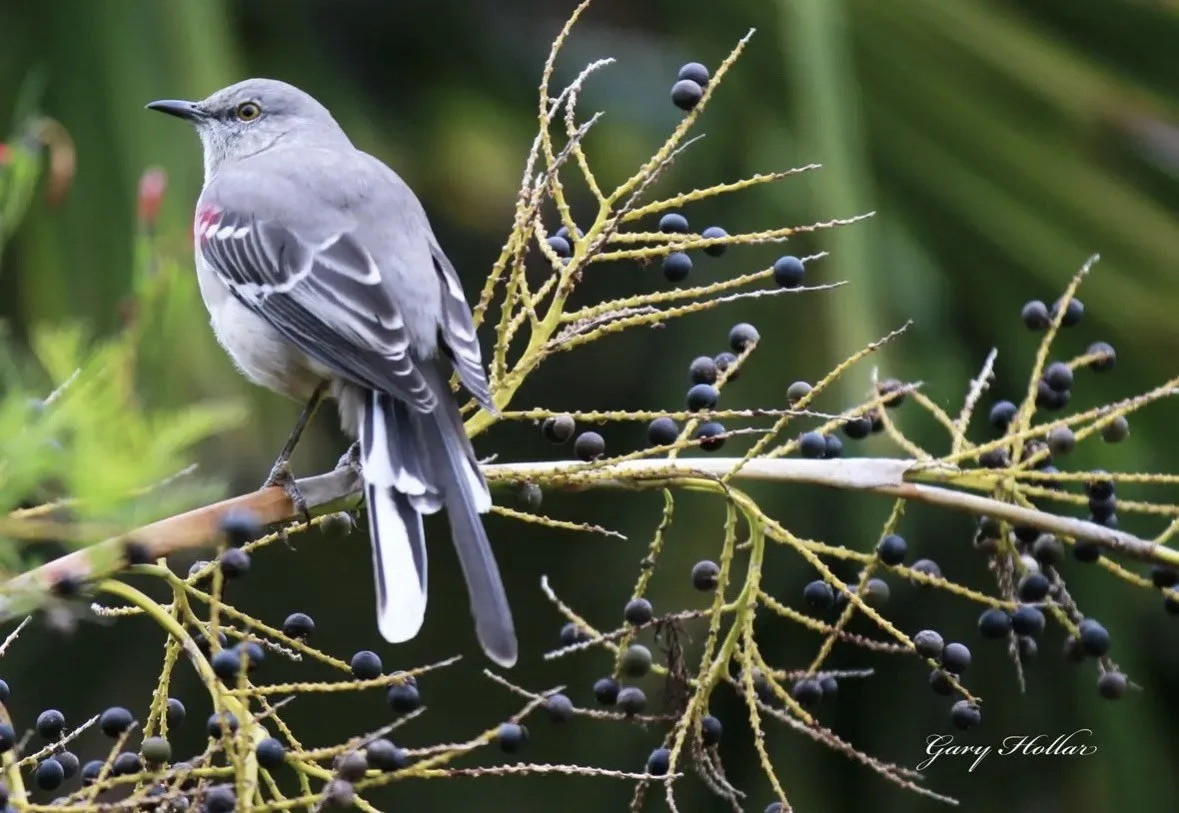
Fig. 4. Garysnursery.com/thesabalminor
It relies on both wind and insects for effective pollen transfer. Bees are the main visitors but butterflies, wasps, hummingbirds and moths enjoy the flowers as well. It is a host plant to the Monk Skipper aka Asbolis Capucinus.
As far as human consumption? According to historical uses concerning both medicine and food, the pith of the stem is edible, the large leaf buds can be cooked and eaten as a vegetable, the (young) leaves-raw or cooked-are apparently excellent, and the the fruits/berries are edible and apparently sweet and pleasant, raw or cooked (it is mentioned that these are an acquired taste.) However, early European botanical explorers referred to it as a “survival food.”
So let’s get back to the Cajun country specifics- there’s a whole town in Rapides Parish named for it. “Latanier” is an adaptation of the Native American name for palmetto. Traditional Cajun use is as a tea of the roots for kidneys and blood and a “press” for eyes.
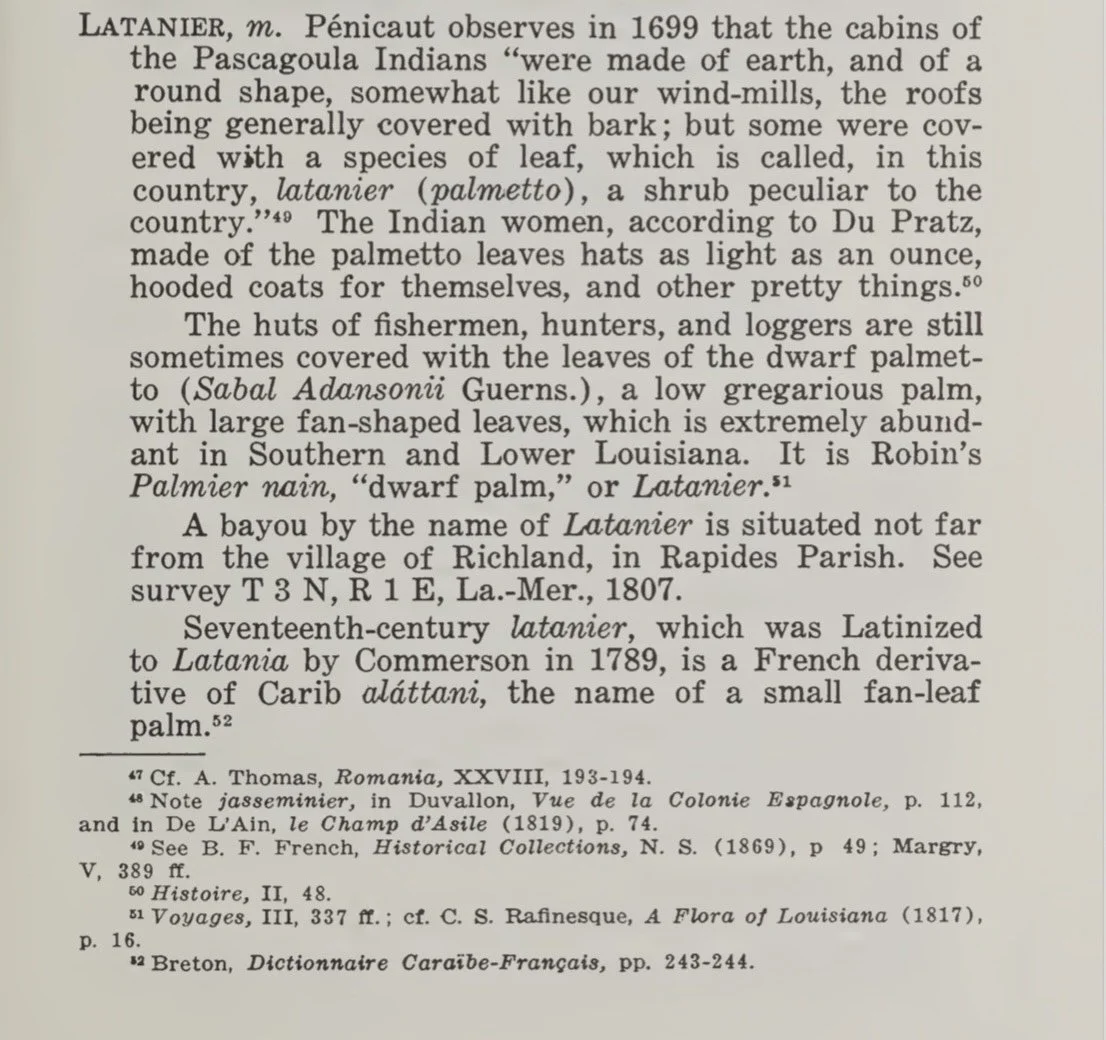
Fig. 5. Read, William A. Louisiana French dictionary. LSU, 1963. p119
The Houma used a decoction of the dried root for high blood pressure and “swimming in head”, a general decoction of root for kidney trouble and as a stimulant, and crushed ’small’ root juice rubbed into sore eyes as a counterirritant; they baked fresh root slices and ate is as a bread. The Seminole/Creek used Sabal minor as a febrifuge.
Sabal minor had (has) IMPORTANT material uses as well! The Houma, Choctaw, Chitimacha, in addition to other Native American nations, used the layered leaves as weather protection and insulation for their homes, and to fashion baskets, mats, brooms, fans, dolls, blowguns and hats.
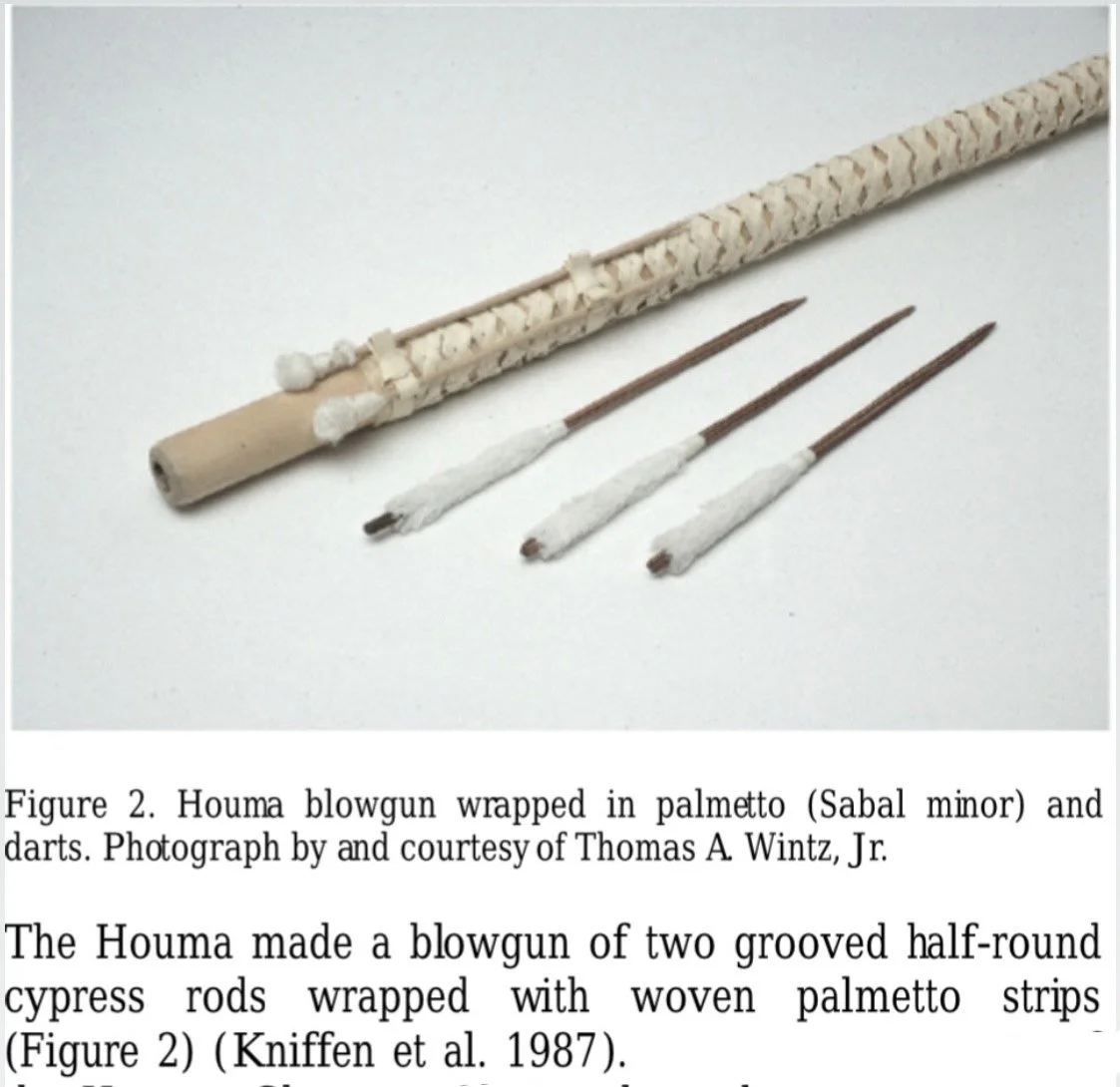
Fig. 6. Anderson, M.K., D.L. Immel, and T.W. Oakes, 2013.
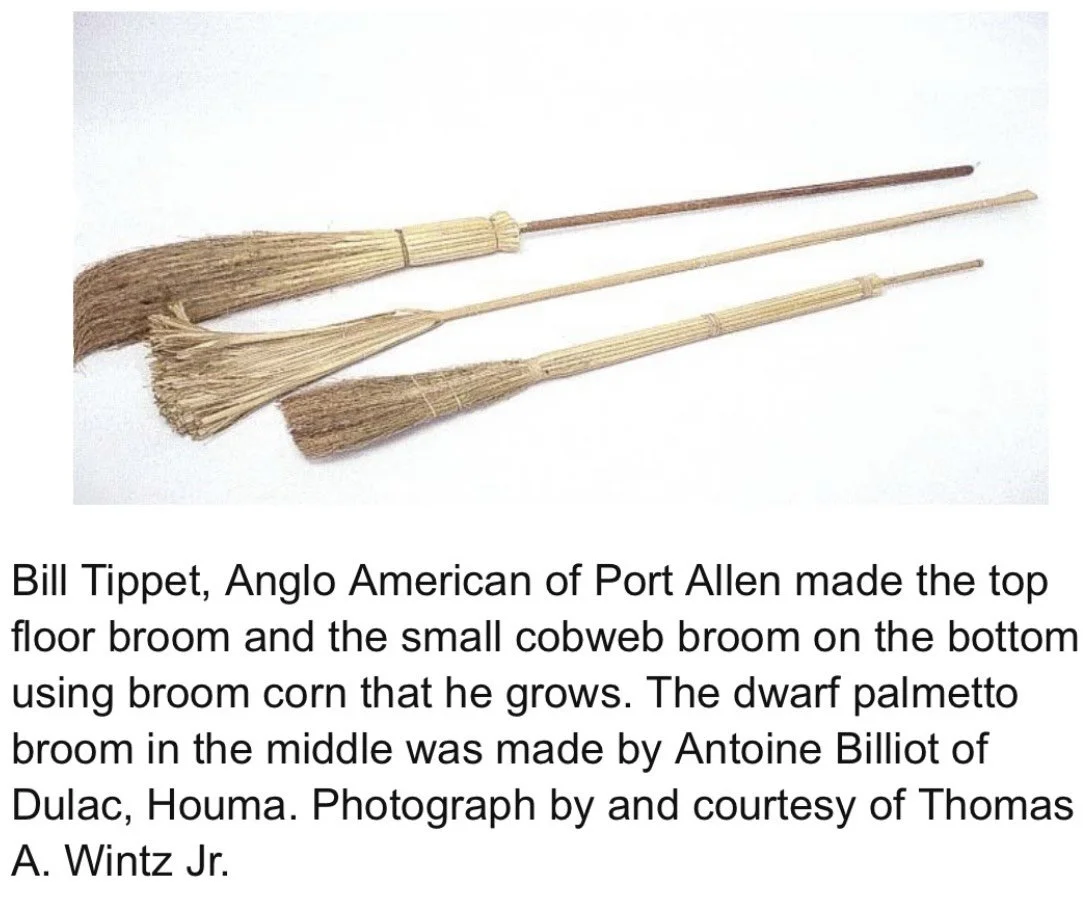
Fig. 7. Anderson, M.K., D.L. Immel, and T.W. Oakes, 2013.
Early Spanish and Acadian settlers learned to use these techniques for similar purposes as well. “Palmetto houses of Indian design were quickly adopted by the European newcomers and widely built, even up into the early 1950s” (Anderson, M.K., D.L. Immel, and T.W. Oakes, 2013.)
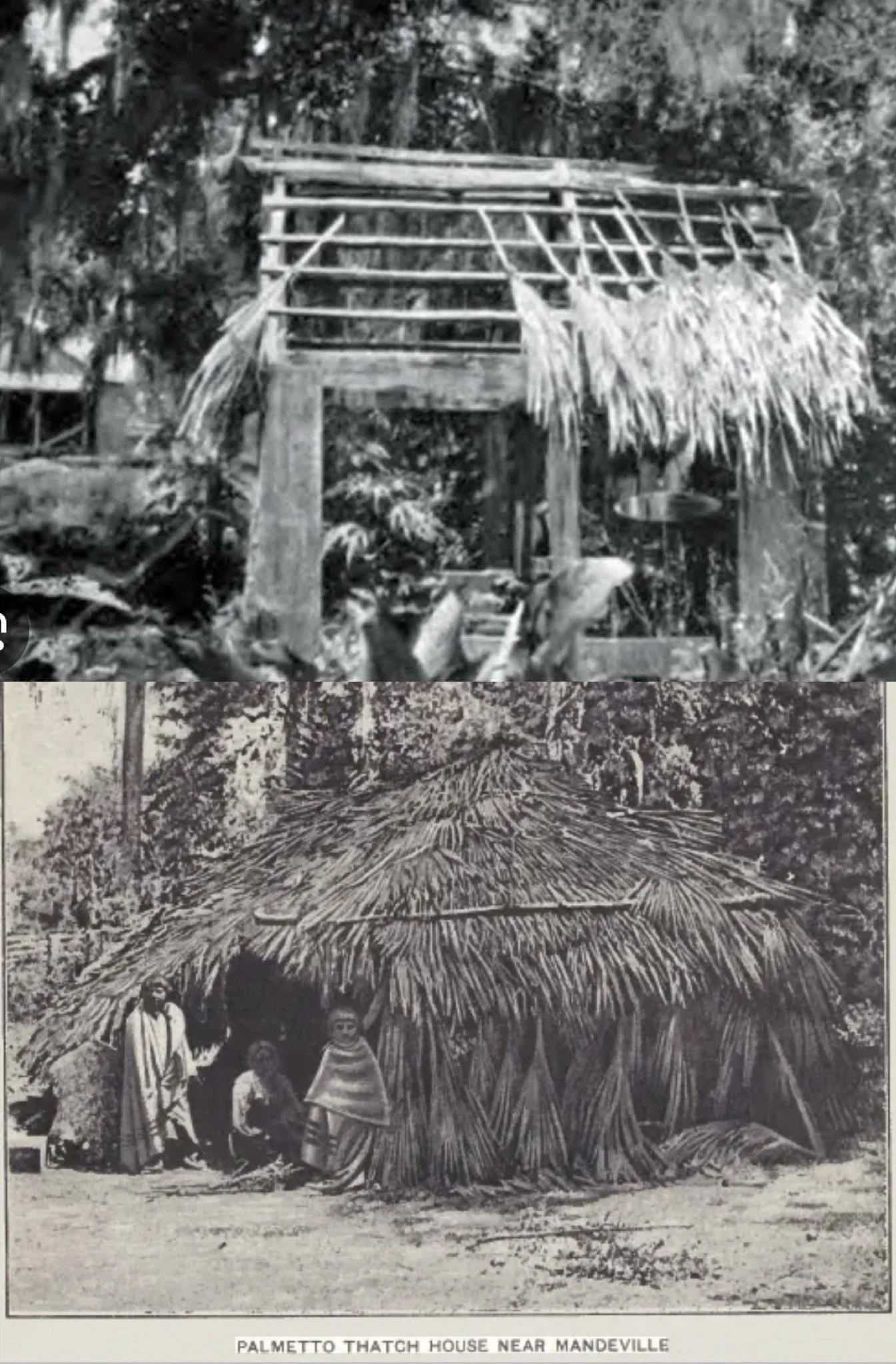
Fig. 8/9. Palmetto thatched roof homes.
And as the William Read’s Louisiana French dictionary image (Fig.5) mentions the indigenous women making hats “as light as an ounce” out of the palmetto leaves, I was able to find what the Muskokee word (this is the language of most Creek affiliated tribes and tribal groups) for these particular hats is: “Kapvtókv-tälv” !!!! Since the Muskokee word for “hat” is “kapvtokv,” then the “talv” part leads me to believe that could be the word for palmetto! (Continue reading for that to make more sense)
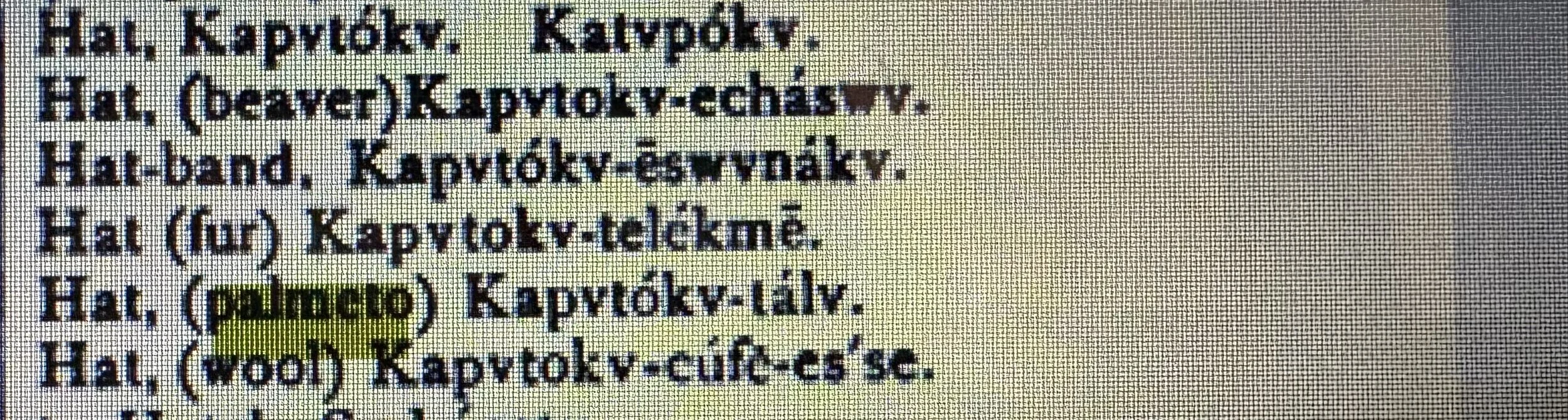
Fig. 10. English and Muskokee dictionary. P42
Kimberly Hutton’s dissertation (Fig. 11) lists Creek and Seminole (Muskokee language) “cabbage palm” as “talco:bi,” “tá:la,” “tala” and “talcŏ:bî:” but no name listed for “dwarf palmetto/sabal minor;” this may be because these tribes used the leaves of dwarf palmetto much in the same way that they used the leaves of the cabbage palmetto (Sabal palmetto)... I think the etymology is kinda obvious there, no?
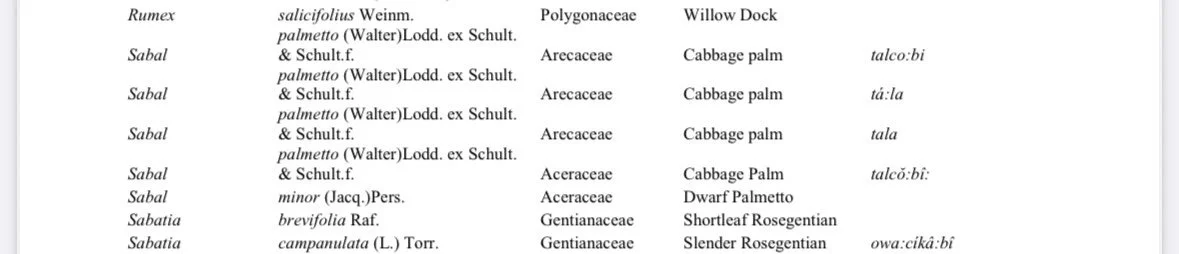
Fig. 11. Hutton, Kimberly, "A Comparative Study of the Plants Used for Medicinal Purposes by the Creek and Seminoles Tribes" (2010). P108
Palmetto basket weaving is a unique tradition of the Choctaw of Louisiana and Mississippi, and Houma of Louisiana. “Coiled-grass baskets tied with palmetto were made by the Houma as late as the 1930s. These unique baskets were made only in Louisiana and Tierra del Fuego” (Anderson, M.K., D.L. Immel, and T.W. Oakes, 2013.)
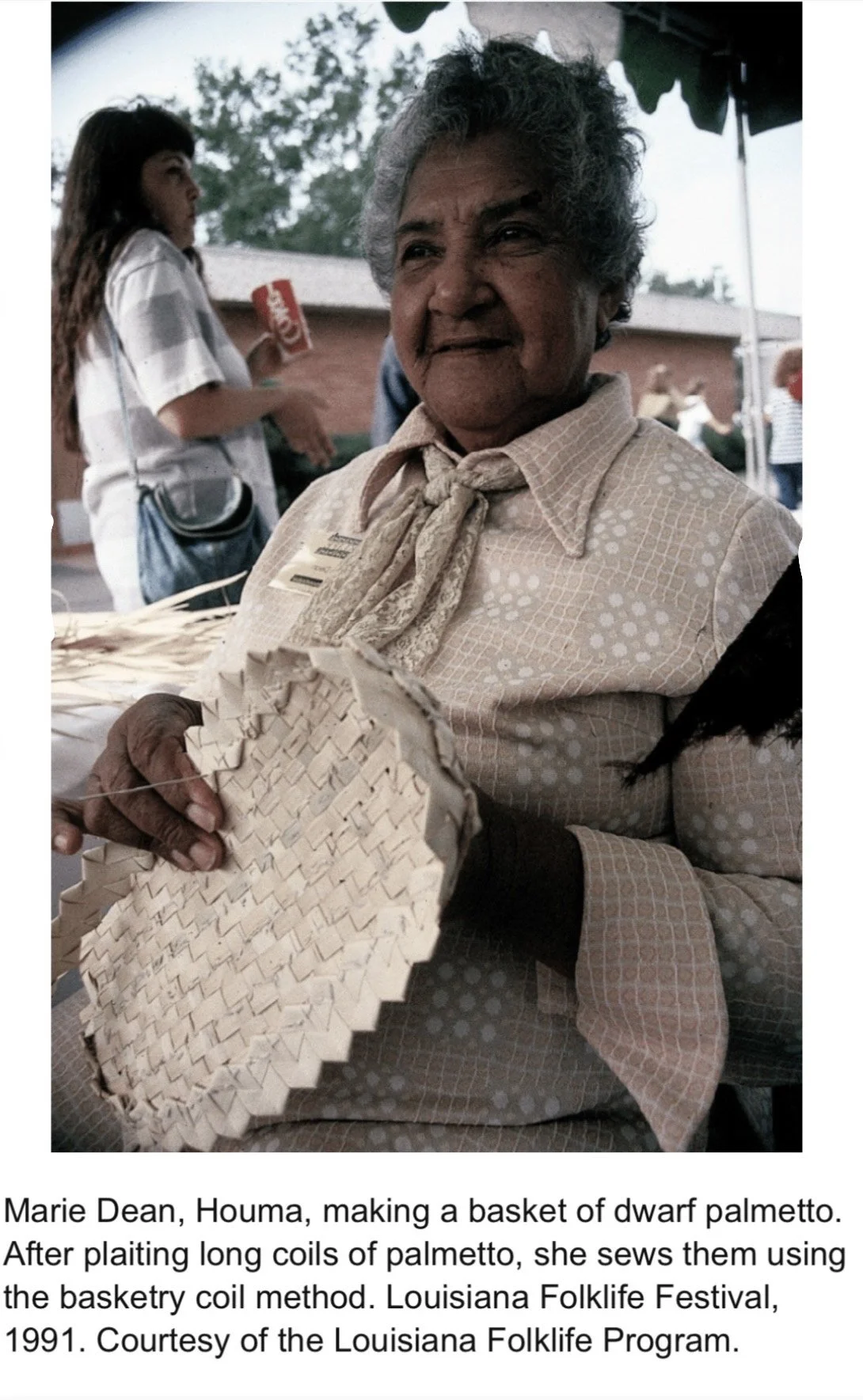
Fig. 12. Anderson, M.K., D.L. Immel, and T.W. Oakes, 2013.
In Terrebonne Parish today, the Houma tradition of basket weaving with palmetto is still alive. You can read more about it here: Houma Indian Baskets - saving a unique tradition | The Heart of Louisiana AND here: The Promise of the Palmetto: How Traditional Palmetto Baskets Preserve Heritage Despite Diaspora - Ogden Museum of Southern Art
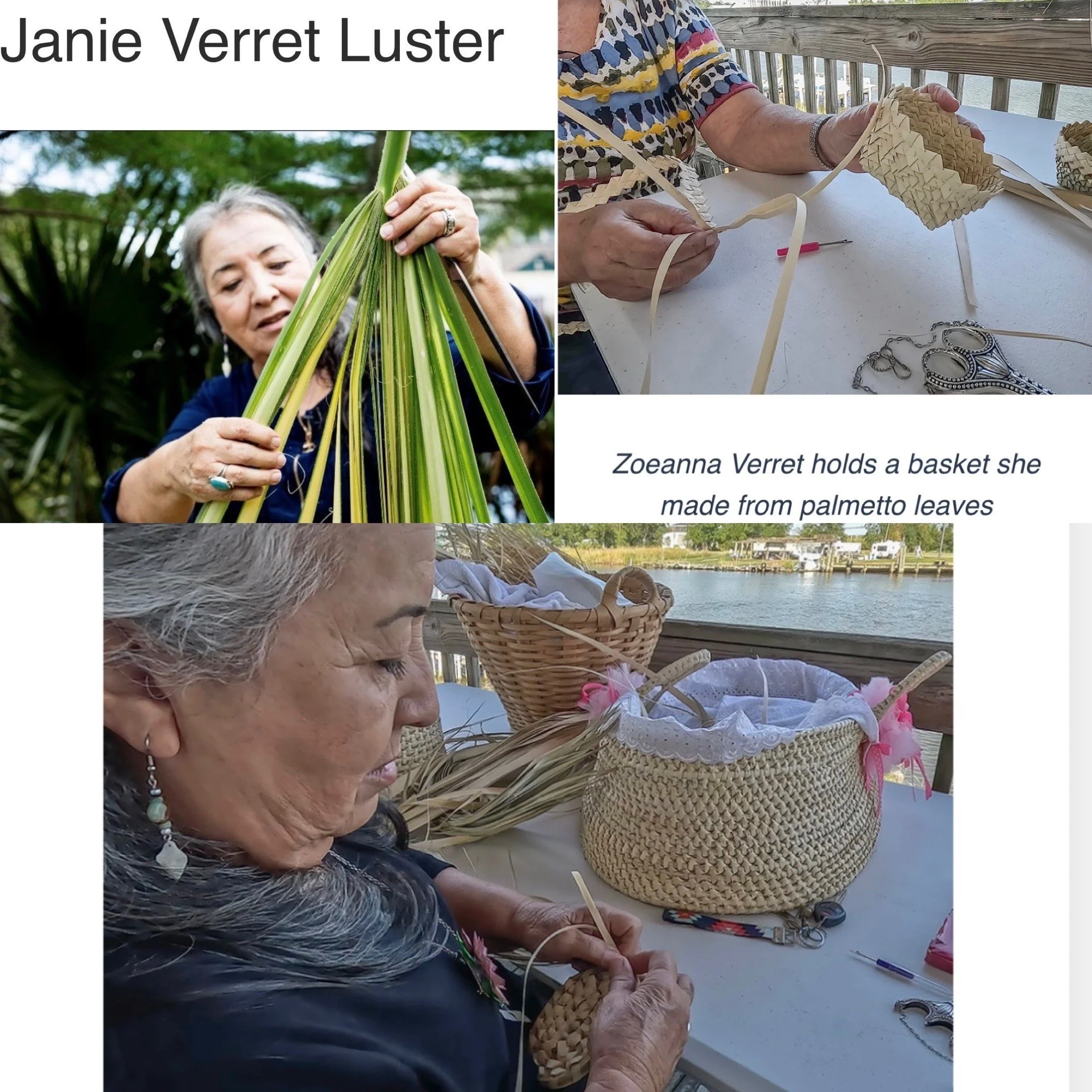
Fig. 13. Houma Indian Baskets - saving a unique tradition | The Heart of Louisiana
You can also take a trip to The Southdown Plantation and Museum Cultural Arts and Crafts Show where you can support the artists and The Terrebonne Cultural and Historical Society. southdownmuseum.org/marketplace/
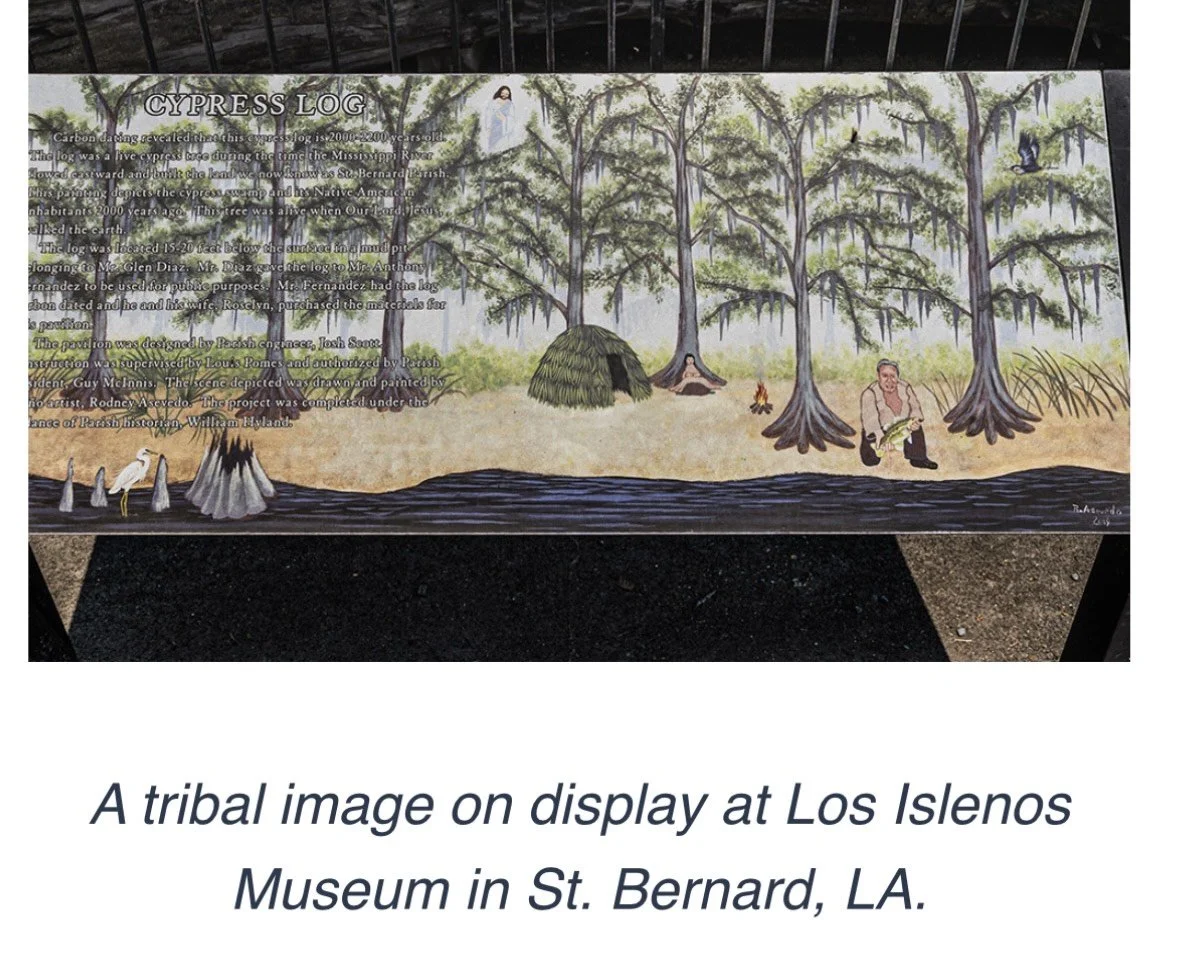
Fig. 14. Losislenos.org
⚠️ This information is for educational purposes. Do not attempt to use plants unfamiliar to you as a medicine or food, especially when there are noted hazards. Please always do accurate research, be cautious of any allergies you may have, and/or talk to your doctor about Herb-Drug-Interactions before consuming or using wild plants medicinally. Additionally, when foraging, be aware of any contamination from polluted soil, animal waste, herbicides or pesticides, do not EVER forage from roadsides due to both traffic hazards and certainty of roadway pollution.⚠️
Healers-Garden-Brochure-Web.pdf Dwarf palmetto
BRIT - Native American Ethnobotany Database Speck, Frank G., 1941, A List of Plant Curatives Obtained From the Houma Indians of Louisiana, Primitive Man 14:49-75, page 55, 56.
Holmes, Walter C. An Ethno-Botanical Study of French-Speaking Louisiana. 1990, Lafayette, USL. p 25
English and Muskokee Dictionary p42
A Comparative Study of the Plants Used for Medicinal Purposes by the Creek and Seminoles Tribes p108
Read-Louisiana-French.pdf p 119
Louisiana Dwarf Palmetto – BAYOU WOMAN
Houma Indian Baskets - saving a unique tradition | The Heart of Louisiana
Houma Language Being Reclaimed by Louisiana Tribe | The Heart of Louisiana
(PDF) Plant Guide Dwarf Palmetto Anderson, M.K., D.L. Immel, and T.W. Oakes, 2013. Plant Guide for dwarf palmetto (Sabal minor). USDA-Natural Resources Conservation Service, National Plants Team. Davis, CA 95618 (PDF) Plant Guide Dwarf Palmetto
🐝 3 Facts About Dwarf Palmetto Pollination
Sabal minor - Palmpedia - Palm Grower's Guide
Sabal minor 'Louisiana', a very cold-hardy American palm | À l'ombre des figuiers
Cornucopia II. Facciola. S. Kampong Publications, California. 1998. ISBN 0-9628087-2-5. Sabal minor - Useful Tropical Plants (theferns.info)
Sturtevant's Edible Plants of the World. Hedrick. U. P. Dover Publications. 1972. ISBN 0-486-20459-6. Sabal minor- Useful Tropical Plants (theferns.info)
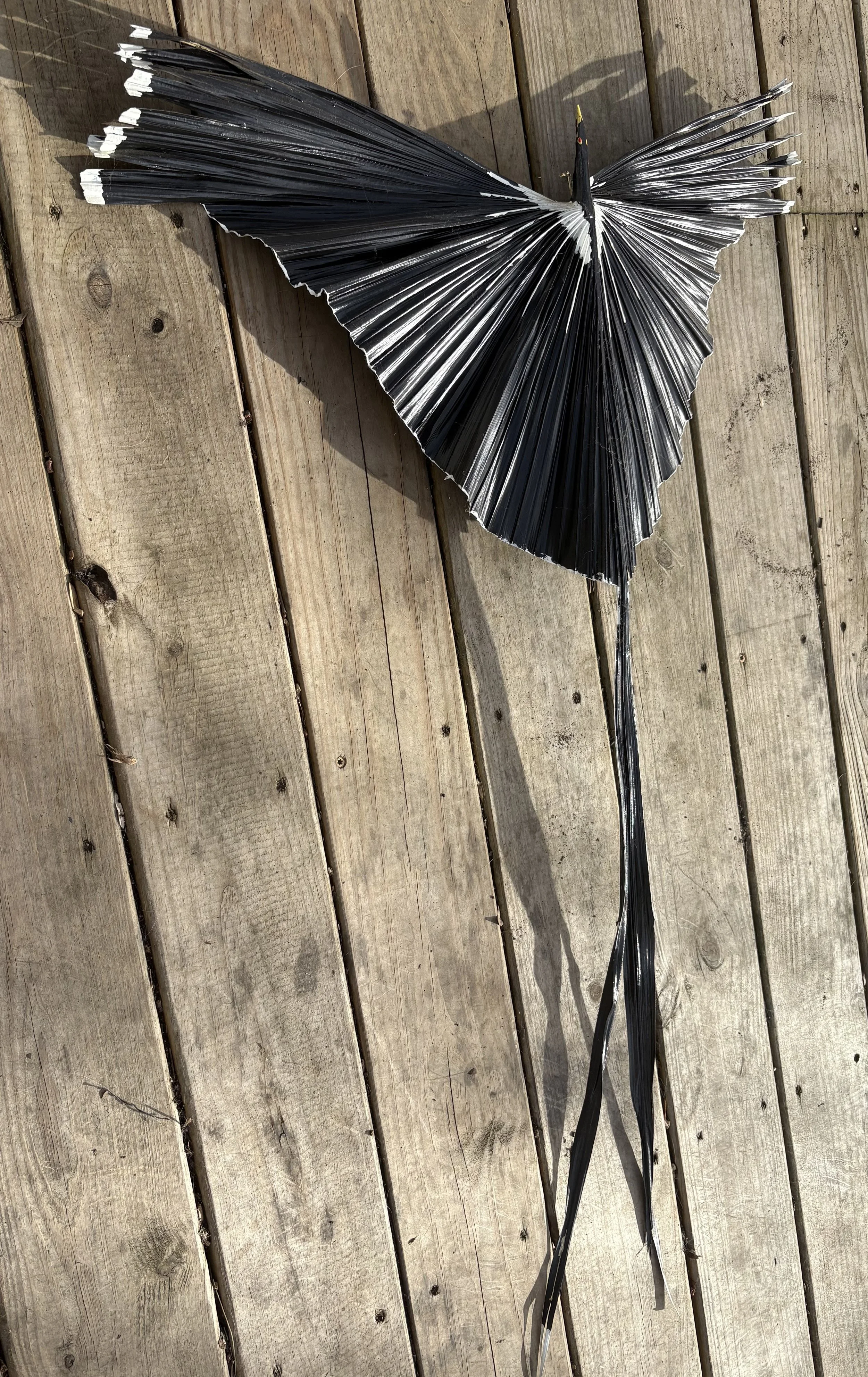
Fig. 15 “Spirit Bird” made from Sabal minor. Artistry by Mr. Red Hawk: medicine man, friend and neighbor in Pigeontown, New Orleans- 2017. A gift given to me for my 27th birthday.
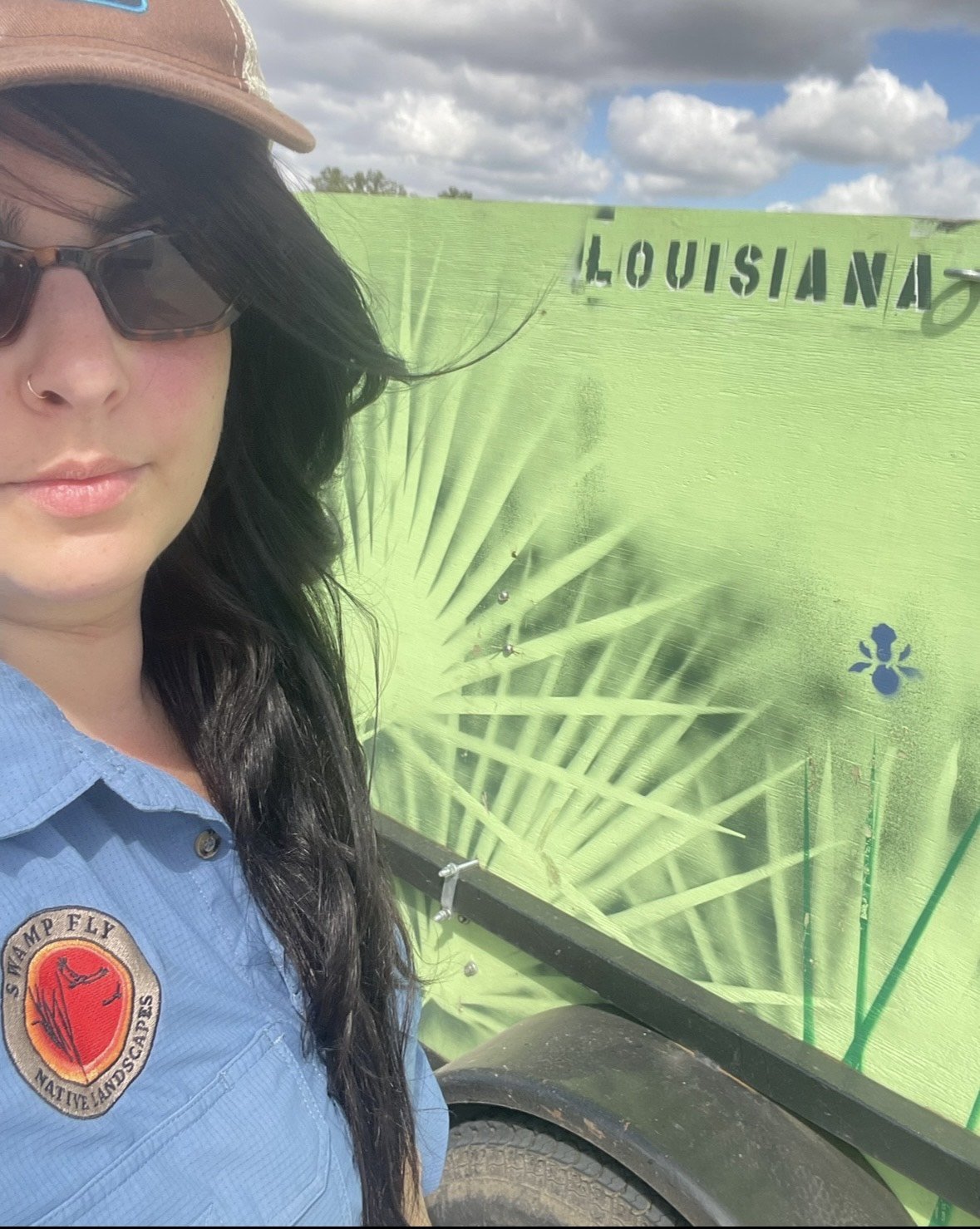
Fig. 16. Sabal minor really does make great artwork! Moi with the Swampfly truck trailer.